

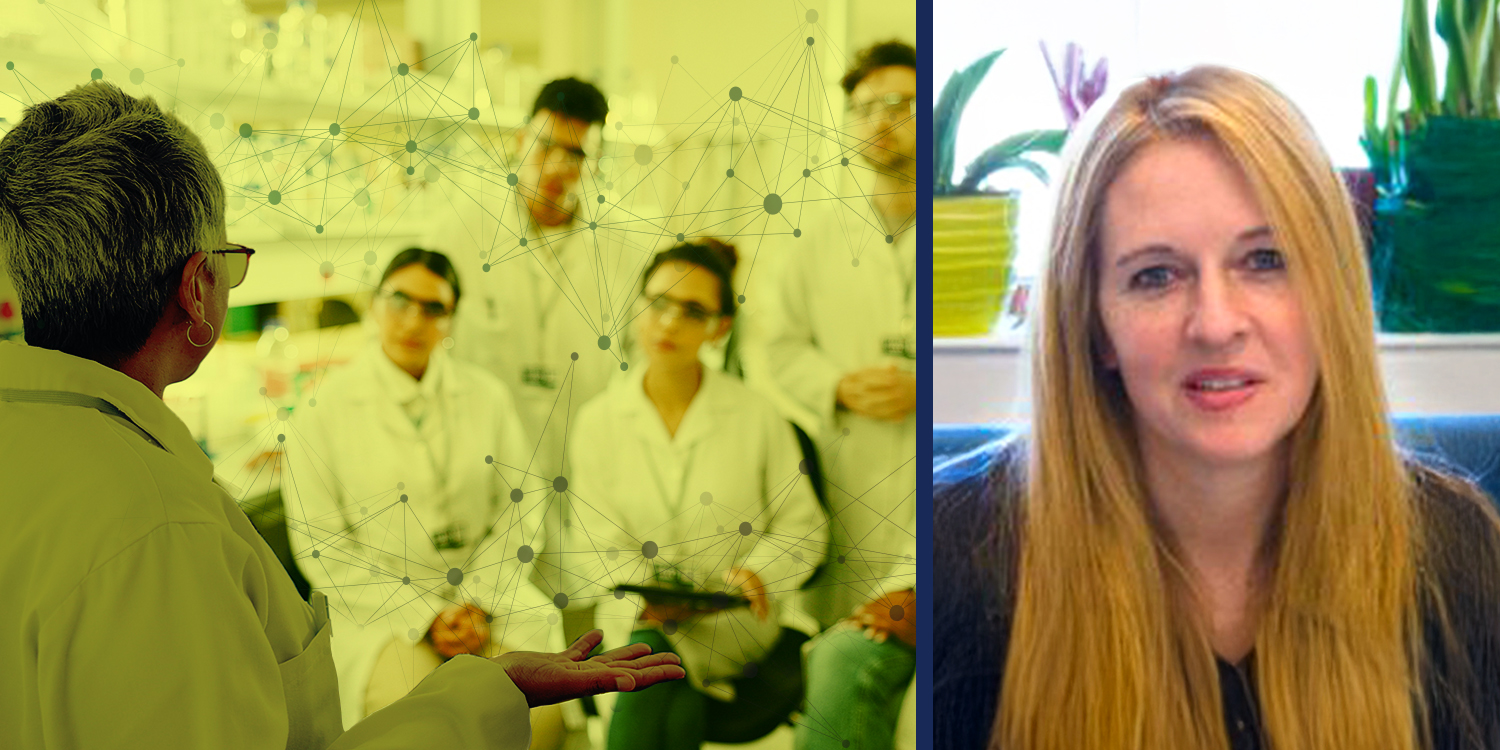
Our recent webinar explores how two powerful forces in our field, AAALAC International and the AALAS Foundation, equip professionals with the tools, recognition, and voice to elevate laboratory animal science.
Whether you’re a seasoned leader or just starting out in your career, this session, presented by Kelly Patterson, MLAS, CMAR, RLATg, ILAM, MBA Candidate, offers inspiration and actionable insights. Moderated by Dr. Cindy Buckmaster, the discussion walks through Kelly’s personal journey as a 2020 AAALAC International Fellow, while also highlighting the outreach resources of the AALAS Foundation.
AAALAC and the AALAS Foundation Change Lives and Careers
You may already work at an AAALAC‑accredited facility (which is an achievement in itself), but many professionals don’t realize that AAALAC offers a prestigious Fellowship Award each year to individuals who demonstrate excellence in animal care, a passion for refinement, and a commitment to outreach and education.
Kelly’s story is proof of what this opportunity can mean. With more than 30 years of experience across CROs, universities, pharma, and private research, she shared how the Fellowship took her on a two-week journey across the UK to visit world-renowned institutions such as:
- The Francis Crick Institute
- Cambridge University
- The Centre for Macaques
- The Institute of Cancer Research
It all culminates in participation at the Institute of Animal Technology (IAT) Congress—a professional gathering that, in Kelly’s words, is like the National AALAS Meeting “but with a grand ball, live music, and maybe a few more pints.” Beyond the travel, the experience offers Fellows a rare opportunity to step into new cultures, exchange ideas, and share their own work on a global stage.
Applying for the AAALAC Fellowship
For those interested in applying, the process is thorough but deeply rewarding.
Applicants must be members of AALAS, CALAS, or IAT and hold a qualifying certification such as RLATG or CMAR. The application includes a CV, nominating letter, and up to three letters of support. Most importantly, it asks applicants to reflect on the impact they’ve made within their institutions and the broader lab animal science community.
Kelly encouraged future applicants to be honest and passionate in their responses:
- What have you done to promote animal welfare, both inside and outside your workplace?
- How do you share your knowledge and mentor others?
- How will this opportunity benefit not just you—but your facility, your colleagues, and your local branch?
“This isn’t about checking boxes,” she explained. “It’s about how you’ve lifted up the profession and how you plan to keep paying it forward.”
Learn more at aaalac.org/awards/fellows
The AALAS Foundation: Tools for Public Awareness and Outreach
The second half of the session highlighted the AALAS Foundation, a nonprofit organization that supports education and outreach around the essential role of responsible laboratory animal care and use.
Kelly walked attendees through the many resources the Foundation offers, including free or low-cost materials designed to help lab animal professionals talk about their work with the public, with students, and even with colleagues in non-research roles.
Key offerings include:
- AREA Program: Classroom-ready kits with backpacks, journals, and lesson plans for students
- CARE Academy: Outreach training for AALAS members to prepare them for public engagement
- Career Videos and Slide Decks: Shareable tools that explain the field to students, educators, and families
- Annual Public Awareness Campaigns: Celebrating species used in biomedical research—from mice and zebrafish to sharks and monkeys
- Legislative Fly-In Grant Program: Empowering lab animal professionals to advocate on Capitol Hill
- Public Outreach & Education Awards: Recognizing individuals and branches making an impact in their communities
As Kelly emphasized, “It’s not always easy to talk about what we do, but it’s always necessary. These tools help us share the compassion behind the science.”
Recommended Reading: How AAALAC Promotes Consistency Through Performance Standards
For a deeper understanding of AAALAC’s role in driving global quality, we recommend our related blog: How to Better Harmonize Lab Animal Care Performance Standards.
This piece recaps a webinar with Javier Guillén, DVM, Senior Director for Europe and Latin America at AAALAC International, who discussed how performance standards—not just prescriptive engineering requirements—form the foundation of AAALAC’s accreditation process.

Where Kelly’s experience spotlighted the value of cultural exchange and professional growth, Dr. Guillén’s perspective sheds light on how AAALAC balances global diversity with consistency. Rather than requiring identical protocols, AAALAC asks: Are outcomes being met? Are animal needs fulfilled?
Key takeaways from his session include:
- The distinction between engineering standards (fixed measurements) and performance standards (flexible, outcome-based goals)
- How AAALAC site visitors evaluate real-world implementation, not just documentation
- Why harmonization, not standardization, is key to advancing global biomedical research
Together, these two perspectives highlight the depth of AAALAC’s commitment to improving animal care, not just through compliance, but through innovation, leadership, and education.
Why It Matters
Accreditation. Advocacy. Outreach. Training. These aren’t just checklists—they’re the tools that move the lab animal science field forward.
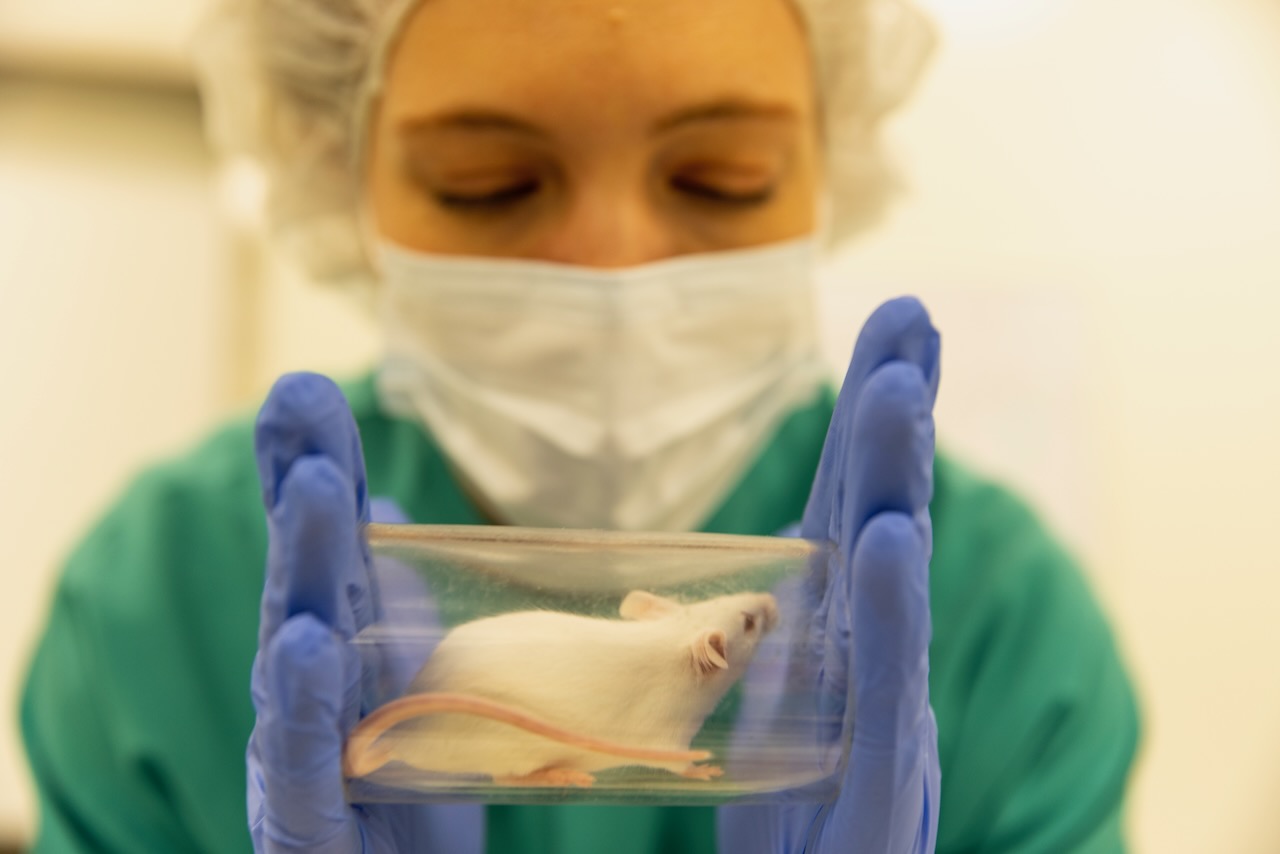
Photo from ComeSeeOurWorld.org
Whether you’re applying for a Fellowship, mentoring a colleague, visiting another country, or giving a classroom presentation, your work makes an impact. As Kelly reminded us, “Every interaction is a chance to change how someone sees our field and the animals at the heart of it.”
Summary: Elevating Lab Animal Science Through the AAALAC Fellowship and AALAS Foundation
The AAALAC International Fellowship and the AALAS Foundation each play a critical role in advancing laboratory animal science. Together, they support a culture of excellence, transparency, and advocacy that strengthens both individual careers and institutional programs.
As highlighted in our webinar, these initiatives help laboratory animal professionals connect across borders, share best practices, and communicate the essential role of ethical animal research to a broader audience. Allentown is proud to support programs like these that promote openness, elevate standards, and empower the people who care for animals and drive life-saving science forward.